This caught my attention because a lot of B2B marketing talk around zero-click search swings between panic and denial. Neither is especially useful. The real story is more interesting: SEO is not dying, but its job description is changing fast. If your team still treats search mainly as a website traffic machine, you are probably optimizing for the part of the buyer journey that platforms are increasingly keeping for themselves.
Zero-click search is turning B2B content into an influence layer, not just a traffic channel
The structural shift is pretty clear now. Buyers are getting more answers directly in Google results, AI Overviews, featured snippets, and chat-style interfaces such as ChatGPT, Claude, and Gemini. That means the old “rank, earn click, educate on-site” model is breaking down. In its place, B2B brands are being forced to compete for something less tidy but arguably more valuable: visibility inside the answer itself.
Key Takeaways
- Zero-click search is not killing B2B SEO; it is shifting SEO from traffic generation toward brand visibility, citations, and influence.
- Websites still matter, but more as deep-research and conversion destinations than basic discovery hubs.
- Commodity content is getting squeezed, while expert-led, original, well-structured content is becoming more important.
- The smartest teams are changing both format and measurement, from “ultimate guides” and pageviews to modular answers and share-of-answer signals.
What is actually changing
The biggest change is that platforms are increasingly answering before the click. In traditional SEO, the page visit was the prize. In zero-click environments, the impression itself may be the first win, and a citation inside an AI-generated answer may be the second. The click happens later, if it happens at all.
That changes content strategy in a very practical way. B2B teams now need content that can do two jobs at once:

- work as a clean, extractable source for search engines and AI systems
- still reward human visitors who click through for deeper evaluation
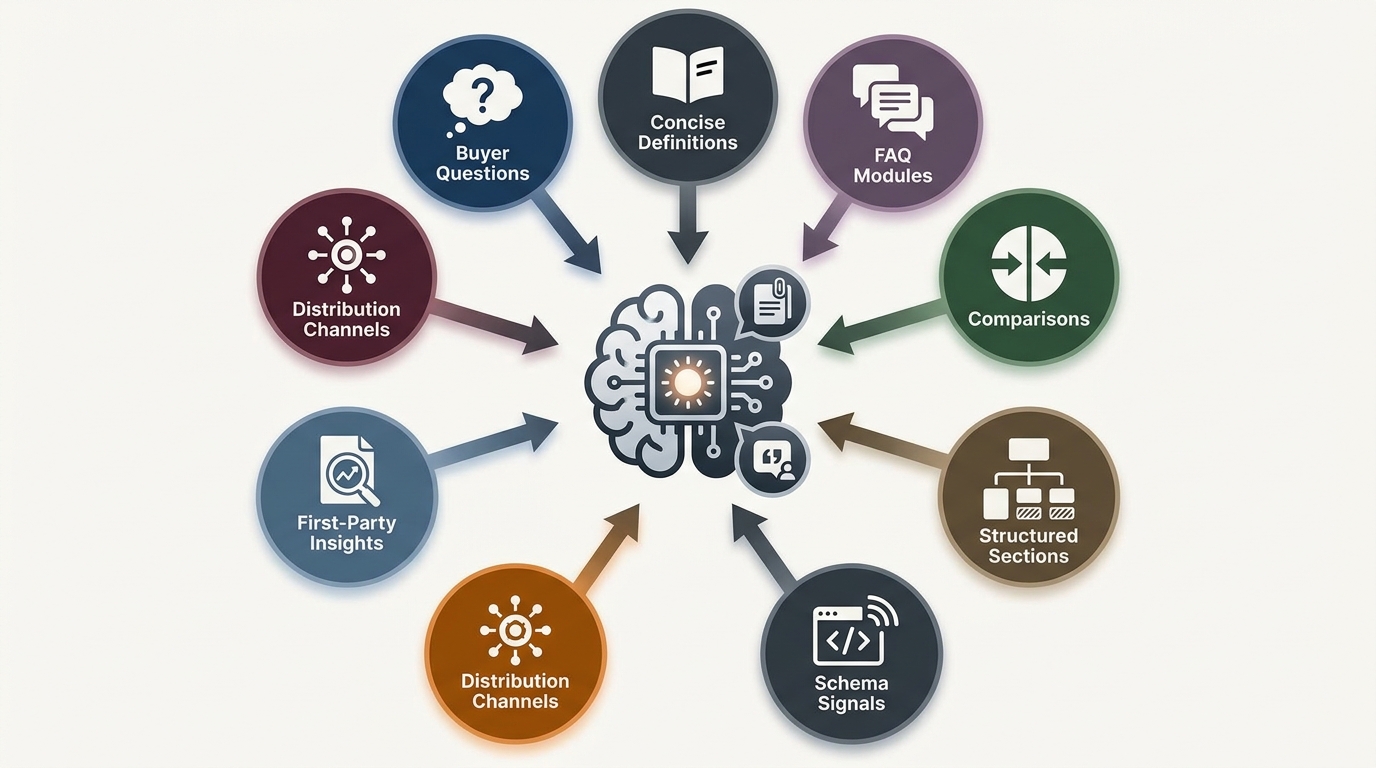
This is why so many practitioners are moving toward answer-engine formatting: tight definitions, comparison blocks, FAQs, strong subheads, concise summaries, and pages organized around buyer questions instead of internal product taxonomy. It is not just a writing preference. It is a distribution strategy for a world where machines increasingly mediate discovery.
Why generic SEO content is losing ground
If you follow search closely, this part will feel familiar. Broad “ultimate guide” content was already getting tired before AI accelerated the problem. Now it looks even weaker. When the web is full of interchangeable explainers, AI systems can summarize the category without needing your page specifically. That is bad news for generic keyword coverage and good news for brands that have something distinctive to say.
In B2B, that usually means first-party data, subject-matter expertise, real implementation detail, and a visible point of view. This is where a lot of content programs have to get honest with themselves. If your article could have been written by any vendor in your space, there is a growing chance the platform will simply absorb the useful bits and remove the need for a visit.
That is also why structured data, internal linking, and crawlable page architecture matter more, not less. AI systems still need semantic clues. Clean labeling, schema, modular sections, and clear relationships between topics help machines understand what your content is, when it is relevant, and whether it deserves to be cited.
The website is not dead, but its role is narrower and more important
One of the more useful framing shifts is this: B2B websites are becoming less like top-of-funnel discovery hubs and more like demand harvesters. That sounds unglamorous, but it is probably accurate. Buyers may learn the basics on-platform. They are more likely to visit your site when they want comparison detail, proof, pricing logic, implementation depth, integration specifics, or conversion reassurance.
In other words, the click is getting later in the journey. That makes on-site content more valuable per visit, even if total visits soften. For B2B teams, that should trigger a serious rethink of content mix. Fewer padded awareness pieces. More high-intent pages, expert explainers, detailed comparisons, ROI support, and pages sales teams actually reuse.
The KPI shift is real, even if measurement is still messy
This is the part many organizations are not ready for. Traffic is an easy number to report. Influence is not. But if zero-click behavior keeps expanding, pageviews alone become a weaker proxy for market impact.
The emerging metrics conversation is moving toward impressions, AI citations, mention frequency, engagement from known accounts, assisted conversions, branded search lift, and what some teams are starting to think of as share of answer. None of that is perfectly standardized yet, and that is the frustrating part. Still, waiting for perfect dashboards would be a mistake. The buyer journey is changing faster than reporting norms.

What this means for B2B readers
If you run content for a B2B brand, the takeaway is not “do less SEO.” It is “stop treating SEO as a clicks-only discipline.” The play now is to create content that is quotable, citable, machine-readable, and genuinely more useful than the commodity material already saturating your category.
I would also be skeptical of any simplistic rule like “gating is dead” or “your site no longer matters.” The direction is clear, but the extremes are usually hype. What does seem true is that hard-to-access, PDF-heavy, low-signal content is a bad fit for AI-mediated discovery. Content that is open, structured, expert-led, and easy to reuse has a much better chance of surfacing where buyers now spend their time.
TL;DR
Zero-click search is not wiping out B2B content strategy. It is forcing it to mature. The winners are less likely to be the brands publishing the biggest pile of keyword-targeted articles and more likely to be the ones creating original, structured, expert content that earns visibility inside search answers and trust after the click. The traffic era is not over, but influence is becoming the more important battlefield.